Problem Solving Through Critical Thinking Training Course
To equip senior managers with the necessary skills to resolve problems they have to be trained to be problem solvers using strategic thinking techniques.
 |
2-DAY WORKSHOP
FAQ & FURTHER INFORMATION
Problem solving skills focusses on developing competencies needed to solve complex and complicated problems at the workplace. Development of such competencies are associated with critical thinking as well as data driven, criterion-based decision making that facilitates problem solving.
This course is based on a two-day intensive face-to-face workshop session in which the participants will be exposed to key concepts relating to problem solving based on the best practices.
To facilitate the process of applying problem solving skills, a series of group-based discussion sessions and mini case study-based associated with problem solving will be adopted. This will facilitate the learning process associated with critical thinking required for problem solving.
Terminal Objective
Instrumental Objective
By the time the training is over, participants will be able to
- Recognize “thinking traps” that impede correct analysis of problems.
- Recognize errors associated with decision making when dealing with problems.
- Differentiate between overall concerns and actionable problems.
- Systematically refine overall concerns to actionable problems.
- Differentiate between simple, complex and complicated problems.
- Use common problem-solving tools to deal with complex problems.
Key course outcomes
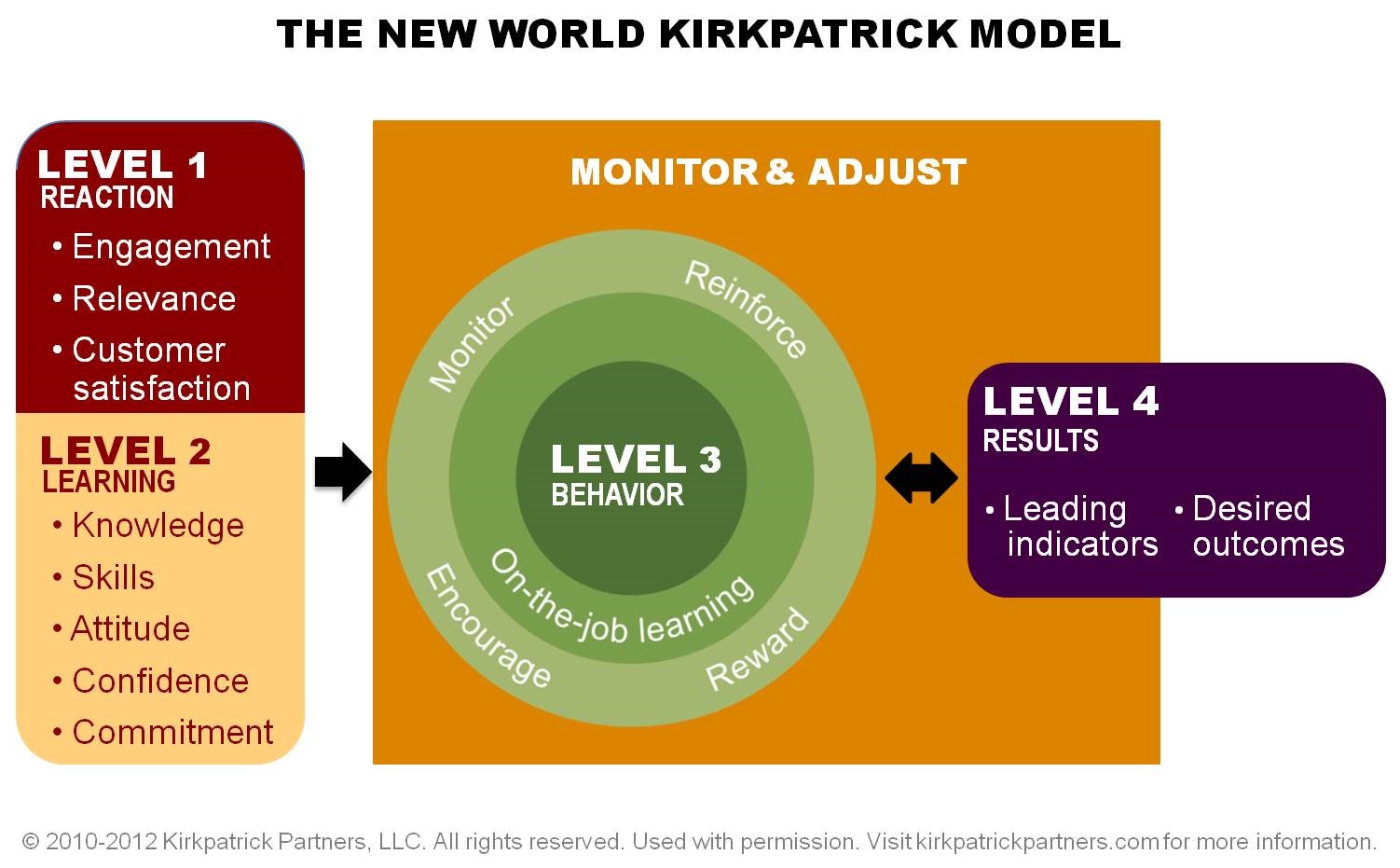
The extent to which the learning is transferred in the workplace depends on:
- Training Design relevance
- Trainee readiness and receptivity
- Organizational support mechanisms
With effective learning transfer, the following outcomes may be achieved:
- Faster delivery of value to end customer.
- Higher levels of accountability of work teams.
- Higher visibility levels of work progress and impediments.
- Faster decision making by the people who are directly affected by decisions made.
LEARNING OBJECTIVES
At the end of the program the participants will be able to do the following based on the appropriate approach that is required.
Recognize the existence of thinking traps and how they impact the ability to think critically.

- Mental filtering
- Emotional Reasoning

Recognize the key considerations for correct decision making.

Remove impediments that limit the ability to make correct decisions.

Create an environment to encourage collaborative problem solving

Consolidate knowledge transfer activities to improve problem solving competencies at the work place

PROGRAM METHODOLOGIES

Experience Sharing
Participants will be encouraged to share their concerns / problems before and during the class. This will enable the facilitator to direct discussions to focus on these concerns/ problems during the session.

Mini Lecture
Overview of key aspects associated with problem solving. These aspects will be elaborated on using practical examples by the course facilitator through a mini lecture.

Question and Answer Sessions
Participants will be encouraged to seek clarifications on issues covered through questions. They will also be provided with opportunities to reflect on applicability of proposed approach within the confines of their work environment.

Group Based Discussions
A series of group-based discussions that involve the participants being broken into groups will be undertaken. The groups will be asked to describe problems currently being faced. They will then be required to apply what was covered in class to deal with these problems and present their findings to class.

Mini Case Study / Video clip
A mini case study as well as a video clip on a work related problem requiring a decision will be given to the participants and the participants will be required to analyze and discuss the case.
FEATURED CLIENTS




PROBLEM SOLVING & DECISION MAKING COURSE SYLLABUS & OUTLINE
- Critical and Analytical Thinking (6 Contact Hours)
- Meaning of critical thinking
- Common thinking traps
- Critical Thinking Cycle - Decision Making (6 Contact Hours)
- Importance of decision making
- Challenges associated with decision making
- Requirements for making timely and correct decisions - Problem Solving (4 Contact Hours)
- Refining concerns to actionable problems
- Characteristics of a problem statement
- Categories of problems
- Solving complicated problems
- Solving complex problems
FAQ & FURTHER INFORMATION
The 70:20:10 Model for Learning and Development has been found to be most effective within the training profession to describe the optimal sources of learning aimed at developing work based competencies. It holds that individuals obtain 70 percent of their knowledge from job-related experiences, 20 percent from interactions with others, and 10 percent from formal educational events.
Based on this model, we propose that this course be structured along similar lines. It is proposed that it is undertaken in stages. These stages will include awareness stage, appreciation stage and application stage